By the Staci Zampa Team | Stamford’s Top Real Estate Team
There’s something powerful about waterfront living.
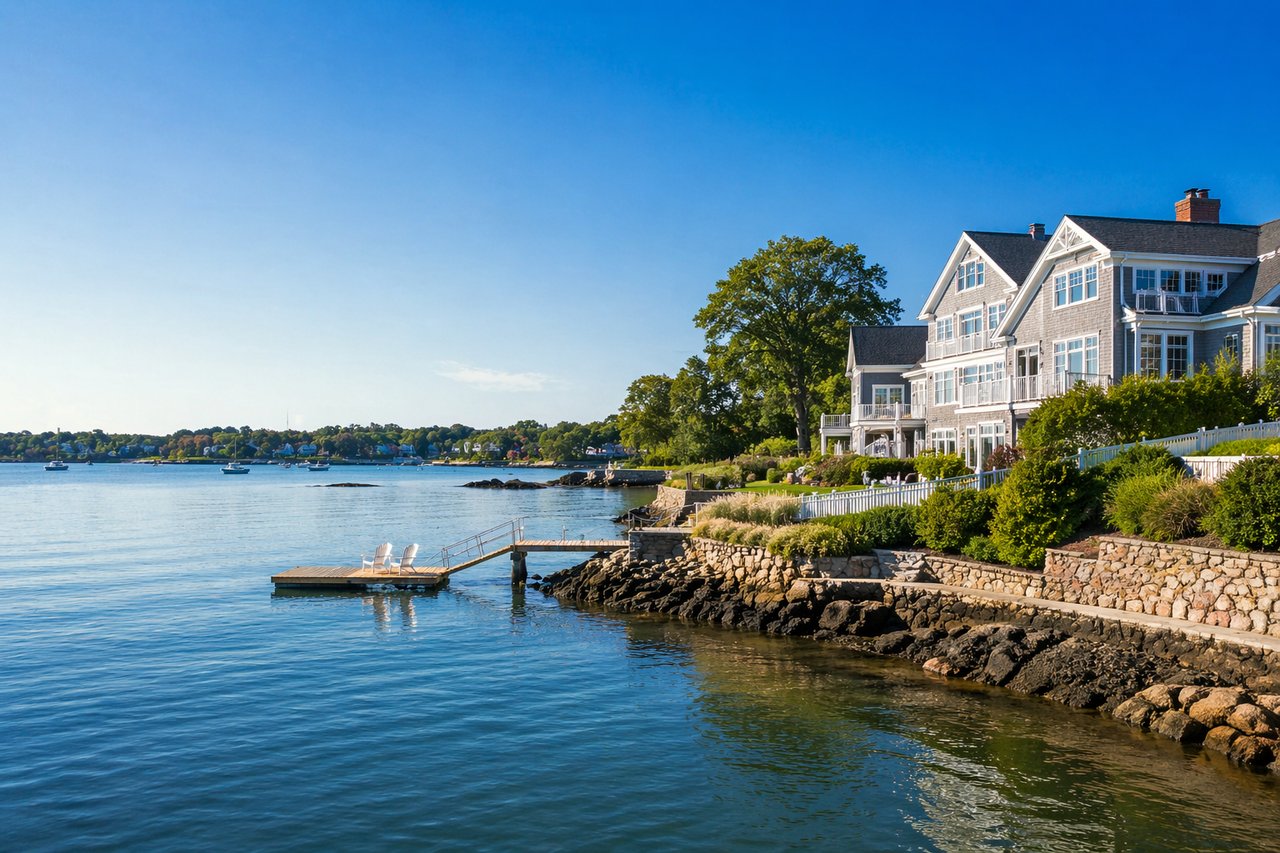
In Stamford, that means sunrise over the Long Island Sound, private docks, coastal breezes, and panoramic views that change with the seasons.
But buying a waterfront home isn’t the same as buying a standard property.
If you're considering waterfront real estate in Stamford, here’s what you need to know before you make an offer.
1. Flood Zones & Insurance Requirements
This is the first and most important step.
Many waterfront properties in Stamford fall within FEMA flood zones. That doesn’t mean you shouldn’t buy — but it does mean you need to understand:
- Whether the property is in Zone AE or VE
- Base flood elevation requirements
- Current flood insurance premiums
- Whether the home has been elevated
- Existing mitigation systems
Flood insurance can range significantly depending on elevation and improvements.
A knowledgeable local agent will help you review flood maps and insurance estimates before you commit.
2. Seawalls, Bulkheads & Erosion Protection
Waterfront homes require shoreline protection.
You’ll want to assess:
- Condition of seawalls or bulkheads
- Maintenance history
- Any visible cracking or leaning
- Ownership responsibility (private vs shared)
Shoreline reinforcement repairs can be expensive, so inspections here are critical.
3. Dock Rights & Permits
Not every waterfront property automatically includes dock rights.
Ask:
- Is there an existing dock permit?
- Is the dock grandfathered?
- What are the tidal access limitations?
- Can you add or expand a dock?
Regulations are governed by both local and state environmental agencies. Permitting can take time.
Water access isn’t just about proximity — it’s about rights.
4. Saltwater Impact on the Home
Waterfront homes live in a different environment.
Salt air, humidity, and coastal winds accelerate wear in ways that inland properties simply don’t experience.
Over time, exposure can impact:
- Roofing materials and flashing
- HVAC systems and exterior condensers
- Window seals and framing
- Exterior paint and siding finishes
- Metal fixtures, railings, and hardware
This doesn’t mean waterfront homes are problematic. It simply means they require more intentional upkeep.
Well-maintained coastal properties often reflect proactive ownership — upgraded materials, newer mechanical systems, and protective coatings designed for shoreline environments.
When evaluating a waterfront home, pay close attention to:
- The age and condition of mechanical systems
- Window integrity and signs of seal failure
- Roofing history and material quality
- Exterior finishes and visible corrosion
A thorough inspection by professionals familiar with coastal construction is critical.
In waterfront real estate, condition matters even more than cosmetics.
Proper maintenance isn’t just about preserving the home — it’s about protecting your investment against the elements.
5. Neighborhood-Specific Considerations
Shippan Point
Classic coastal living. Expansive estates, private docks, beach access, and sweeping Long Island Sound views. This is traditional waterfront luxury with strong resale value and generational appeal.
Southfield Point
Private association waterfront with marina access and elevated coastal positioning. More structured community feel with water access.
Cove Area
More approachable waterfront living with beach proximity and smaller properties.
Harbor Point
Urban waterfront living. High-rise condos, marina views, walkable boardwalk, restaurants, fitness studios, and immediate access to downtown and the train. This is ideal for buyers who want water views and lifestyle energy without the maintenance demands of a standalone coastal estate.
If you're deciding between traditional coastal living and modern marina-style waterfront, we break down the lifestyle differences further in our Shippan Point vs Harbor Point guide.
ance considerations, and property types.
Local expertise matters here.
6. Resale & Long-Term Value
Waterfront real estate has historically demonstrated strong long-term appeal — particularly in established coastal communities like Stamford.
Limited supply, irreplaceable views, and lifestyle-driven demand create natural value resilience.
But waterfront is not passive ownership.
Buyers should thoughtfully evaluate:
- Climate resilience upgrades such as elevation, reinforced foundations, and storm-mitigation improvements
- Current and projected flood insurance trends
- Long-term maintenance budgets for seawalls, docks, and exterior materials
- Mechanical systems exposed to salt air
- HOA or private association regulations in communities like Southfield Point or Harbor Point
- Future environmental or zoning changes that could impact shoreline use
A well-positioned waterfront home can be both a lifestyle asset and a strong long-term investment.
The key is understanding not just today’s purchase price — but the total cost of ownership over time.
Proper due diligence doesn’t diminish the dream of waterfront living.
It protects it.
7. Lifestyle Tradeoffs
Waterfront living in Stamford is aspirational for a reason.
It offers:
- Uninterrupted views of the Long Island Sound
- Sunrises and changing tides as part of your daily routine
- Privacy and separation from dense neighborhoods
- Direct water access for boating, kayaking, or paddleboarding
- A level of prestige that consistently holds long-term appeal
There’s an emotional component to living on the water. It changes how a home feels. It changes how you entertain. It changes how you unwind at the end of the day.
But it also comes with responsibility.
Waterfront ownership requires:
- Proactive maintenance due to salt air and coastal exposure
- Higher insurance awareness, especially in FEMA-designated zones
- Storm preparation planning
- Monitoring seawalls, docks, and shoreline structures
- Understanding evolving environmental regulations
Unlike a traditional property, waterfront homes demand a more engaged ownership mindset.
For some buyers, that responsibility is part of the appeal. For others, marina-style waterfront living in areas like Harbor Point offers water views with significantly less structural exposure and maintenance.
That’s why buying on the water is as much a lifestyle decision as it is a financial one.
You’re not just buying square footage.
You’re buying exposure to the elements, proximity to the Sound, and a completely different daily experience.
Why Working With a Local Waterfront Expert Matters
Buying near the water requires more than just viewing the home.
It requires:
- Reviewing flood elevation certificates
- Understanding shoreline regulations
- Knowing historic storm impact
- Evaluating dock permits
- Connecting with local inspectors familiar with coastal construction
Waterfront is a specialized segment of the market.
You want someone who understands it deeply.
Ready to Explore Waterfront Living in Stamford?
Whether you're considering Shippan Point, Southfield Point, Cove, or another coastal neighborhood, having the right strategy matters.
The Staci Zampa Team has extensive experience navigating Stamford’s luxury and waterfront market — from due diligence to negotiation to long-term positioning.
If you’re thinking about buying a waterfront home, connect directly at:
When it comes to Stamford waterfront real estate, details make all the difference.