By the Staci Zampa Team | Stamford’s Top Real Estate Team
Why a Stamford-specific winter checklist matters for 2026–27
Winter in Stamford is not one-size-fits-all. The City’s own climate data shows that our cold season runs roughly from early December through mid-March, with average highs below the mid‑40s and the coldest days in late January. On average, Stamford sees about 34 inches of snow a year at the Stamford Museum & Nature Center, but city planning reports put the range closer to 2.5 to 4 feet depending on the year and where you are in town. That variance is exactly why a North Stamford colonial on an acre-plus lot needs a different winter plan than a Harbor Point condo on the waterfront.
Elevation and exposure matter here. The City’s hazard mitigation plan notes that northern neighborhoods often pick up more snow than downtown because they sit several hundred feet higher, while coastal areas see more mixed rain and wet snow from the same storm systems. In the winter of 2024–25, Stamford recorded about 24.10 inches of snow over sixteen winter weather events—more than the prior year but still on the milder end of that range. December 2026 is the right time to tighten up your home’s winter readiness before we’re deep into those late‑January and February cold snaps.
What winter typically looks like in Stamford
If you’re new to Stamford, it helps to picture our winter rhythm. Historically, the snowy period runs from around November 19 through early April, with the snowiest stretch centered in late January. Average snowfall by month at the Nature Center is roughly 5.8 inches in December, 9.1 inches in January, and 11.9 inches in February, though individual years can swing much higher or lower. On the coast, snow often mixes with rain; north of the Merritt, those same storms are more likely to come down as several inches of powder or heavy, wet snow.
Everyday life follows that pattern. Stamford Public Schools’ approved 2026–27 calendar has winter break running from December 24, 2026, through New Year’s Day, with an additional mid‑winter break from February 16–19, 2027. Families are shuttling to public skating at Stamford Twin Rinks in Springdale and the twin rinks at Chelsea Piers Connecticut, so you effectively have “year‑round skating weather” even when sidewalks along Washington Boulevard or in Harbor Point are slushy. That mix of indoor and outdoor winter activity puts more stress on roofs, gutters, parking garages, and mechanical systems than people sometimes realize.
North Stamford & Westover: winter prep for single-family homes
Above the Merritt Parkway, North Stamford and parts of Westover feel more like back‑country Greenwich than downtown Stamford. City and neighborhood plans describe North Stamford as almost entirely residential, with sprawling wooded lots, reservoirs, and winding roads, while Westover is a low‑density area of tree‑lined lanes and large homes.. Many of these houses rely on private wells and septic systems, and sit under heavy tree cover, which changes the winter maintenance picture compared with a condo downtown.. Here’s what we suggest prioritizing.
1. Roofs, gutters and trees under heavy canopy
North Stamford and Westover roofs take a beating from both snow loads and trees. Before the first significant storm, have your gutters and downspouts cleaned thoroughly; in heavily wooded pockets off High Ridge or Long Ridge, it’s common to find them packed with late‑fall oak and maple leaves. Clogged gutters are a main driver of ice dams, where meltwater refreezes at the eave, backs up under shingles, and can leak into walls and ceilings. Ask a roofer to check for adequate attic insulation and ventilation, especially in older colonials where insulation may be patchy.
Tree limbs are another big risk in these neighborhoods. The City’s hazard plan specifically notes that tree limbs and some structures are not always suited to Stamford’s snow and wind loads, and that winter storms can cause significant tree damage and power outages. It’s worth having an arborist look at large oaks and pines close to your house, driveway, and power lines, and doing selective pruning now instead of after a limb comes down in a nor’easter. If you’re buying in North Stamford or Westover this winter, pay attention to how close mature trees are to the roof line and whether there’s evidence of past storm damage.
2. Driveways, slopes and runoff on hilly lots
The northern half of Stamford climbs to about 520 feet above sea level, while the South End and Harbor Point sit essentially at sea level. That extra elevation shows up in your driveway. Long, sloping drives off roads like Cascade Road or Chestnut Hill can become icy chutes if runoff isn’t managed. Before deep winter, check that your driveway has a place for meltwater to go—small swales, corrected grading, or stone drains—so it doesn’t sheet across the pavement and refreeze.
It’s also smart to do a quick “snow operations” plan for your property. Decide where plowed snow will be piled so it doesn’t block sightlines at the road or smother young trees. Mark the edges of the driveway and any stone walls with tall stakes so plow trucks can see them in the dark. The City focuses on plowing public streets within a couple of hours of the first snowfall, but homeowners and private associations are responsible for plowing their own driveways and internal roads. Many North Stamford and Westover owners keep a relationship with a dedicated plow contractor; if you’re new to the area, line that up now rather than in the middle of the first storm.
3. Wells, septic systems and heating oil setups
Utilities work differently in the northern neighborhoods. Aquarion’s public water system serves roughly the southern half of the city, with the remaining properties—often in North Stamford—relying on private wells. North Stamford residents also typically provide their own sewerage systems rather than connecting to city sewers. If you’re on a well and septic, winter is when small problems become emergencies, so plan a few preventive steps.
- Well systems: Make sure any above‑grade well components are insulated and that the well cap is tight. If the well or pressure tank is in a small shed or outbuilding, consider a safe, thermostatically controlled heater to keep it above freezing during January cold snaps.
- Septic systems: Avoid driving heavy plow trucks over your leach field, and do not plow towering snow piles on top of it, which can compact soil. If your tank is due for pumping in 2027, you might schedule it for early spring, after the ground thaws but before summer usage ramps up.
- Heating oil: Connecticut still has one of the country’s highest shares of oil‑heated homes—about 41% of households statewide use heating oil or similar fuels, compared with 36% on natural gas. In Stamford, natural gas lines are concentrated in the southern part of the city, so oil and propane remain very common north of the Merritt. Top off your tank before the first prolonged freeze and ask your service company to do a burner cleaning and safety check.
If you’re evaluating a North Stamford or Westover listing this winter, ask for well and septic maintenance records and any recent inspections. A well‑maintained system is a real asset; deferred maintenance can be a negotiating point and a budget item you’ll want to understand clearly.
4. Preventing frozen pipes in larger, spread-out homes
Bigger floor plans and additions—think older colonials with 1990s family‑room wings—often mean plumbing runs through crawlspaces, garages, and exterior walls. On the coldest nights, those are the first pipes to freeze. As you winterize, look for exposed piping in unheated spaces (garage ceilings, under front steps, over porch roofs) and add foam insulation sleeves or heat tape where appropriate. Seal obvious air leaks around sill plates, basement windows, and foundation vents; often you can feel the cold air on a windy day.
Inside, keep the thermostat set consistently—mid‑50s is the absolute minimum if you’re away, and many plumbers recommend closer to 60°F in older homes with marginal insulation. Open cabinet doors under kitchen and bath sinks on exterior walls during cold snaps to let warmer air circulate. If you know a particular bathroom or laundry line is vulnerable, a slow trickle of water on the coldest nights can be cheap insurance. For buyers touring in January, look for signs of past freeze issues: patched ceilings under bathrooms, space heaters in odd corners, or pipe insulation that was clearly added after the fact.
Downtown & Harbor Point: winter checklist for condos and apartments
Downtown Stamford and the South End/Harbor Point corridor are a different world in winter. Since 2000, Downtown Stamford has added numerous high‑rise apartment and condo buildings like Park Tower, The Classic, and new mixed‑use towers along Tresser Boulevard and Washington Boulevard. Harbor Point, meanwhile, is a master‑planned waterfront neighborhood with more than 2,300 apartments, office space, restaurants, marinas, and parks along the harborfront. You’re unlikely to be shoveling a 150‑foot driveway here, but winter still creates its own set of maintenance priorities.
1. Understand how your building handles heat and hot water
In many Downtown and Harbor Point buildings, heat and hot water are supplied by a central boiler plant, often fueled by natural gas. The city’s hazard mitigation plan notes that natural gas distribution lines are concentrated in the southern part of Stamford, which aligns with what we see in the larger multifamily stock downtown and along the South End waterfront. Before winter, review your building’s maintenance notices: have they serviced the boilers, tested backup generators, and sent out updated emergency procedures?
If you own a condo, your board or management company should be able to give you a written summary of winter operations: what happens in a prolonged power outage, what areas are on emergency power, and whom to call for heat issues after hours. Renters should ask their landlord the same questions. When you’re touring a building as a buyer this winter, this is a good time to ask about recent boiler replacements, upcoming assessments for mechanical upgrades, and any history of recurring heat problems on the top floors.
2. Inside your unit: filters, drafts and smart thermostat settings
Even if the building provides the heat, you still control how efficiently your unit handles it. In condos and rentals with in‑unit HVAC fan‑coil systems, replace or clean filters before the coldest weather to keep airflow strong and air quality higher. Check around windows and sliding doors—especially those facing Mill River Park, Broad Street, or Commons Park in Harbor Point—for drafts that can be addressed with better weatherstripping or insulated curtains.
For winter comfort and frozen‑pipe protection, avoid letting interior temperatures drop too low, particularly in corner units and those with lots of glass. A smart thermostat can help you keep the space reasonable while you’re at work without ever dipping to risky temperatures. If radiators or baseboard heaters feel very uneven, bring it up with the building early; they may need to bleed air from the system or balance heat between tiers of the building before a serious cold snap arrives.
3. Balconies, terraces and window walls facing the Sound
Waterfront and park‑view units are a huge part of the appeal of living in Harbor Point and much of Downtown. But balconies and large window walls need special attention in winter. Make sure balcony drains and scuppers are clear of leaves, planters, and outdoor rugs so meltwater doesn’t pond and then refreeze, creating slip hazards or, worse, backing water toward the building envelope. Avoid storing salt bags directly on balcony surfaces that could be stained or corroded; use a small, plastic bin instead if your building allows de‑icing products.
On large glass walls, condensation is common when it’s cold and humid inside. Use bathroom fans and, if needed, a small dehumidifier to reduce moisture, and wipe down sills so water doesn’t seep into flooring. When viewing a high‑rise listing in January, check balcony railings and decking for signs of poor drainage—rust streaks, spalling concrete, or soft spots in composite boards can all be clues.
4. Garage, parking and building-level snow plans
Most Downtown and Harbor Point buildings rely on structured parking: podium garages under the building or multilevel decks nearby. Ask your property manager how snow and ice are handled at garage entrances, ramps, and rooftop parking levels. You want to know who is responsible for clearing snow from your assigned space (if it’s outdoors), how they prevent refreezing at the garage ramp, and what happens when the City declares a snow emergency and street parking rules tighten.
If you’re buying, it’s worth driving in and out of the garage on a rainy or lightly snowy day to see how steep the ramps feel and how water drains. In a coastal neighborhood like Harbor Point, winter storms can bring strong onshore winds and heavy rain even if North Stamford is getting all snow, so good drainage at garage entrances near the waterfront is critical. Look for sump pumps, trench drains, and clear signage about flood‑prone levels.
City-wide basics: preventing frozen pipes and winter damage
Whether you’re in a sprawling North Stamford colonial, a Westover cape, or a Harbor Point one‑bedroom, a few basics apply everywhere in Stamford:
- Know your main shut‑offs. Make sure you and your household know where the main water shut‑off is and how to use it. In condos, understand what you’re allowed to touch and when you must call building staff.
- Disconnect and drain exterior lines. Hoses should be removed and outdoor spigots turned off and drained before the first hard freeze. If you have an irrigation system, confirm it has been winterized.
- Seal drafts. Simple air sealing around doors, attic hatches, and basement windows will make the home more comfortable and reduce the load on your heating system during those January 20s and 30s that are typical for Stamford winters.
- Review your emergency plan. The City’s stormwater and winter operations reports emphasize that winter storms, coastal nor’easters, and mixed‑precipitation events are highly likely each year. Keep flashlights, batteries, and a few days of shelf‑stable food on hand, and consider how you’d manage if you lost power for a day or two.
Touring Stamford homes this winter: how to spot a “winter-ready” property
December and January are actually excellent months to evaluate how well a Stamford home—or condo building—handles our real weather. In North Stamford and Westover, look at the rooflines for past ice‑dam staining, check that gutters are firmly attached and pitched correctly, and ask how often the seller has needed tree work after storms. Don’t be shy about asking for utility bills; in an oil‑heated house, that will give you a sense of both system efficiency and how warm the current owners keep the home. Clarify whether the property is on well and septic or city services, since that affects both maintenance and how you plan for outages.
In Downtown and Harbor Point listings, your “winter readiness” checklist is more about the building as a whole. Ask to review recent board minutes or building newsletters for clues about upcoming boiler or roof projects. Walk common areas and garages looking for water staining, drafts around lobby doors, and how well sidewalks are treated for ice. In high‑rise units, you can often feel how even the heat is across rooms and whether there are cold corners near glass in mid‑winter.
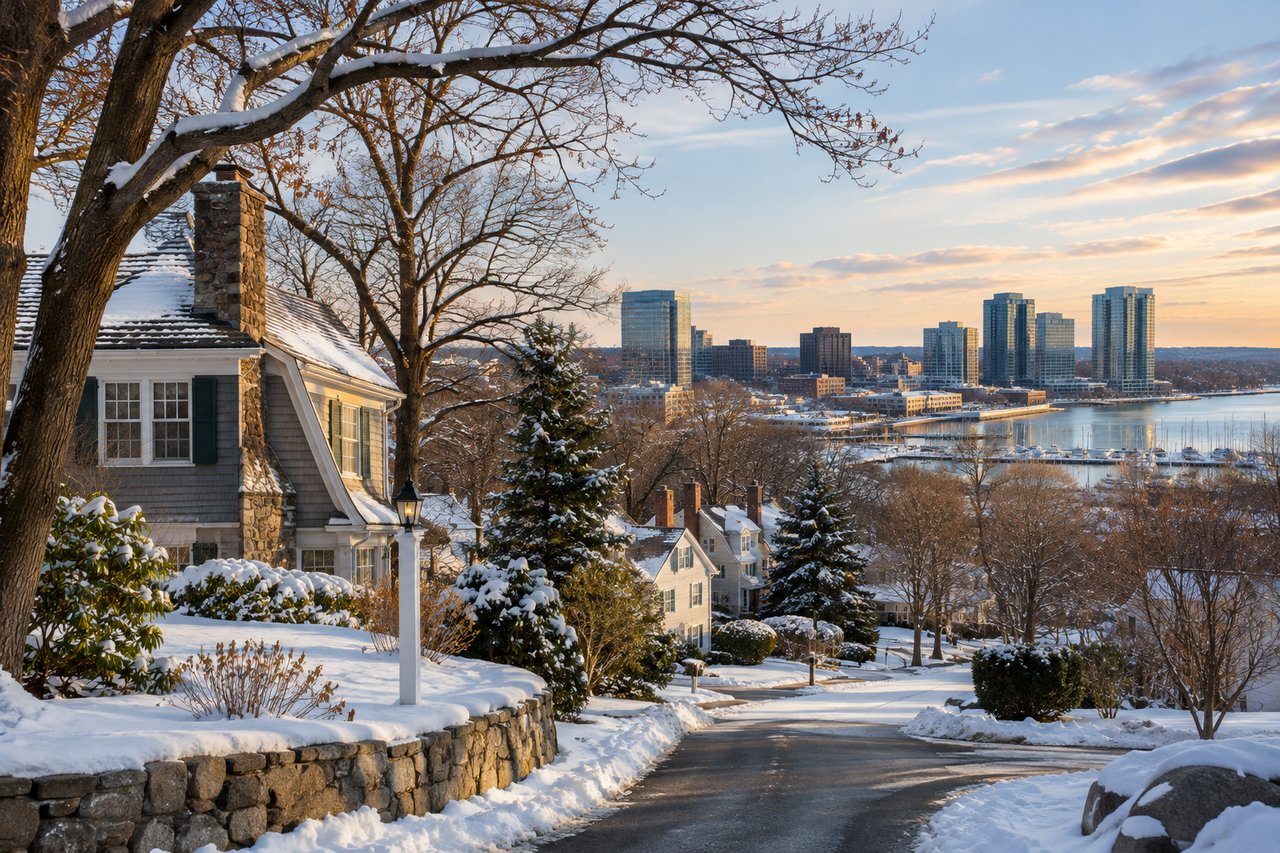
If you’re comparing neighborhoods—say, a wooded acre in North Stamford versus a condo near Mill River Park—this is also the season when lifestyle differences are clearest. A home above the Merritt offers privacy, land, and that classic New England snow look; a Downtown or Harbor Point building trades that for walkable access to the Stamford Transportation Center, restaurants, indoor skating, and quicker snow clearing. The right fit comes down to how you want to live day‑to‑day, and how much hands‑on winter maintenance you’re comfortable taking on.
Have questions about your home’s winter readiness?
Every property in Stamford—from an older Westover colonial on a quiet lane to a glass‑walled Harbor Point apartment—interacts with winter a little differently. If you’re not sure what to prioritize in your own home, or you’re thinking about buying or selling this winter and want an honest take on how a property will perform in January and February, the Staci Zampa Team is here as a resource. Our team spends every season helping clients navigate North Stamford, Westover, Harbor Point, Downtown Stamford, and the surrounding Fairfield County markets, and we understand how local terrain, utilities, and building styles affect winter life.
Reach out through the Staci Zampa Team website to talk about your current home’s winter checklist, or to plan winter showings that highlight how well a property really functions when the temperature dips. A thoughtful winter strategy now can make the 2026–27 season more comfortable—and help you make smarter real estate decisions in Stamford for years to come.